How to Prepare for a Roof Repairs Succasunna NJ Service Visit
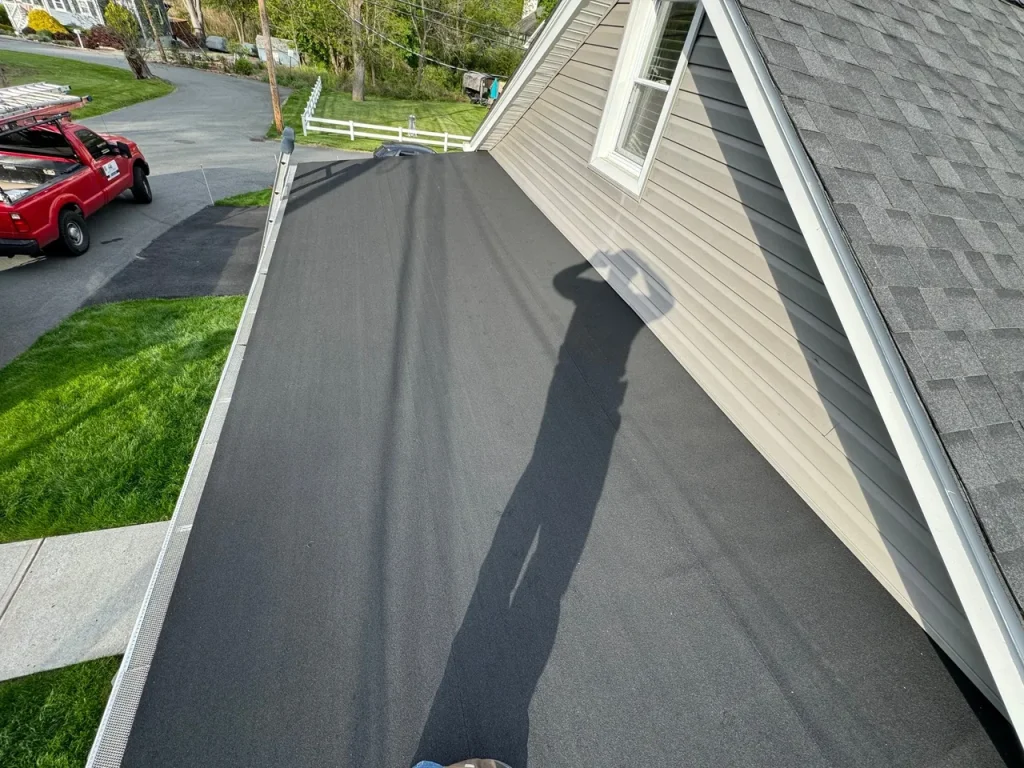

A roof repair visit goes more smoothly when the homeowner does a little work before the truck pulls into the driveway. That is not because the crew expects you to know roofing. It is because roof work happens at the intersection of your home, the weather, access, safety, and time. A simple shingle repair can stay simple when the roofer can inspect the area clearly, protect the landscaping, and explain findings without interruption. The same call can turn frustrating if nobody can access the attic, the driveway is blocked, or water stains are hidden behind stored boxes and holiday decorations.
That matters even more in Morris County, where seasonal swings are hard on roofing systems. Homes in Succasunna see snow loads, freeze-thaw cycles, heavy spring rains, summer humidity, and the occasional wind event that lifts shingles or exposes flashing. When homeowners book a Roof Repairs Succasunna NJ service visit, they are often dealing with an active leak, a stain that appeared after a storm, or visible wear that can no longer be ignored. The repair itself may be straightforward. The preparation around it often determines how quickly the technician can diagnose the cause and how confidently the scope can be set.
Homeowners are sometimes surprised by how much a repair appointment depends on clues from inside the house. Roofers do not just look at shingles from the lawn and write up a price. A good one correlates exterior wear with interior evidence, attic airflow, insulation patterns, flashing conditions, drainage, and the age of surrounding materials. If you prepare those areas in advance, you help the crew separate the symptom from the cause. That distinction saves money. A ceiling stain near a chimney may not be a chimney problem. It might be step flashing, a failed cricket, a nail pop above the area, or condensation in a poorly vented attic that only appears during cold snaps.
Start with the reason you made the call
Before the appointment, take ten minutes and write down what prompted you to schedule Roof Repairs. Keep it specific. “Leak in upstairs hall after heavy rain from northeast wind” is useful. “Roof issue” is not. If the problem happened more than once, note the conditions each time. Did you see water only during hard rain, or also after snow began to melt? Did the stain spread slowly over weeks, or did it appear overnight? Was there a recent branch impact, ice dam, or gutter overflow?
Those details can speed up diagnosis more than people expect. Roofing failures often reveal themselves only under certain conditions. A flashing gap may leak during wind-driven rain but stay dry in a normal shower. An attic vent issue may cause frost or dampness in winter and disappear by afternoon. A boot around a plumbing vent can fail in a very localized way, creating a stain several feet from the actual roof penetration. The more clearly you https://daltonqmaw852.rivetgarden.com/posts/how-experienced-crews-deliver-roof-repairs-succasunna-nj-efficiently can describe timing, weather, and location, the less guesswork the technician needs.
Photos help if you have them. If water dripped from a light fixture during a storm, a quick phone photo of the drip pattern or puddle can be valuable, especially if everything looks dry by appointment time. The same goes for a ceiling stain that darkens after rain and fades later. Roofers have all seen intermittent problems, and visual evidence from the moment of failure is often more revealing than a dry inspection.
Clear the path, outside and inside
On many houses, the hardest part of a repair visit is not the roof. It is access. Crews need room for ladders, material staging, and safe movement around the property. If possible, move vehicles out of the driveway and away from the garage area before the appointment window begins. Most roof repair trucks carry ladders, tools, sealants, replacement shingles, flashing stock, and safety gear. They need predictable space, not a tight parking puzzle.
Walk around the house and look at what sits near the roofline. Patio furniture, grills, potted plants, kids’ toys, and decorative items should be moved back from the work zone. Technicians often protect landscaping, but they cannot do much with a ceramic planter placed exactly where a ladder needs to land. If you have delicate shrubs or seasonal flowers under the repair area, point them out. A conscientious crew will appreciate the heads-up and may be able to adjust ladder placement or use extra protection.
Inside the house, make sure the attic hatch is accessible if your home has attic access. Pull down any stored bins blocking the opening. If the hatch is in a closet, clear the floor enough for a ladder to stand safely. If the issue appears near a cathedral ceiling with no attic, let the company know ahead of time. Access constraints are common in split-levels, capes, and renovated older homes around Succasunna, and that information helps the crew plan inspection time and equipment.
If you have a finished upper floor where the leak appears, remove fragile items from walls and shelves in the affected room. Roof inspections and repairs are not usually chaotic, but vibration happens. Walking on a roof can shift dust in older homes, and occasional tapping or movement can jostle pictures, collectibles, or loose plaster. Protecting the space in advance is easier than dealing with a broken frame afterward.
Give the roofer a better view of the evidence
Homeowners often clean up a leak so thoroughly that they erase useful clues. It is sensible to dry the area and protect floors, but do not paint over a stain or patch drywall before the visit. Let the technician see where water showed up. Water tracks are rarely neat, and the shape, spread, and location can tell an experienced roofer a lot about where moisture traveled.
If there is attic access, use a flashlight and look for obvious damp decking, darkened wood, rusted nail tips, mold-like spotting, compressed insulation, or signs of airflow issues near vents. You do not need to diagnose any of it. Just note what you saw. Something as simple as “the plywood looks dark near the chimney side” or “the insulation above the bathroom is damp” can focus the inspection quickly. If the attic feels extremely hot in summer or stale and humid, mention that too. Some roof problems are really ventilation or moisture-management problems wearing a roofing disguise.
A short preparation checklist keeps things practical:
- Write down when the problem occurs, including rain, wind, snow melt, or temperature swings.
- Take clear photos of stains, drips, damaged shingles, or debris in the yard if visible.
- Move cars and outdoor items away from likely ladder and work areas.
- Clear access to the attic hatch, upper rooms, and any interior stain locations.
- Keep pets secured and let the crew know if children will be home.
That list looks simple because it is simple. Yet those five steps cover most of what delays an otherwise routine service visit.
Understand what the crew may need to inspect
Roof repairs are targeted, but competent roofers still inspect beyond the obvious damaged spot. That can surprise homeowners who expected someone to replace two shingles and leave. If the crew spends time checking flashing around chimneys, sidewalls, skylights, plumbing vents, valleys, and roof-to-wall intersections, that is usually a good sign. Leaks migrate. Symptoms lie.
In Succasunna, one common scenario is storm damage that starts with a few loosened shingles but exposes an older weakness in flashing or underlayment. Another is winter damage, where ice buildup at the eaves causes water to back up under shingles, leaving stains that seem unrelated to the roof edge. A technician may also inspect gutters and downspouts because poor drainage can mimic or aggravate roof failures. Overflowing gutters can wet fascia, soffits, and wall areas, leading homeowners to blame the roof when the drainage system is the main issue.
Be ready for the possibility that the roofer will inspect from inside and outside, then explain that the visible problem is not the full repair scope. That is not necessarily upselling. It may be judgment based on what is connected. Replacing one cracked pipe boot on an otherwise aging roof is one thing. Repairing that boot while ignoring brittle shingles all around it is another. Good contractors should explain the trade-off clearly, including what a limited repair can reasonably accomplish and what it cannot.
Weather changes the plan, sometimes at the last minute
Roof work is unusually sensitive to timing. Homeowners understandably get frustrated when an appointment shifts because a forecast changes, but roofing companies are not being evasive when they adjust for wind, rain, ice, or storm risk. Even a small repair can become unsafe if a pitched roof is slick or gusts make ladder work unpredictable. Adhesives and sealants also behave differently in cold temperatures, and some materials should not be installed or sealed in active precipitation.
For that reason, prepare for flexibility. If your visit is weather-dependent, ask whether the company plans to inspect only, perform same-day repairs if conditions allow, or reschedule repair work after diagnosis. Many service calls begin as inspection-plus-quote visits and become repair visits only if the issue is minor, the right materials are on hand, and the weather cooperates. Knowing that in advance prevents the common misunderstanding where the homeowner expects completion on day one while the roofer expects only to evaluate conditions.
If the roof is actively leaking and more rain is expected, ask whether temporary measures are appropriate. A tarp, emergency seal, or water-diversion step may buy time, but these are not always wise for homeowners to handle themselves. Climbing onto a wet roof is not worth the risk. Interior containment, buckets, and protecting valuables are safer stopgaps until the crew arrives.
Be ready to talk about age, history, and prior repairs
One of the most helpful things you can provide is the roof’s basic history. If you know when it was installed, say so, even approximately. If part of the roof was redone after an addition or past storm claim, mention that too. Patchwork roof systems are common. A 22-year-old main roof might connect to a 9-year-old porch roof and a 5-year-old addition. Those transitions matter because materials weather differently, and trouble often shows up where new meets old.
Prior repairs are especially important. A past sealant patch around a chimney, vent, or skylight can affect what the roofer sees now. So can an old leak that was “fixed” but returned seasonally. If another company worked on the area, gather any paperwork you have. You do not need a full file folder, but photos, invoices, or notes about materials used can help. Contractors can usually work without them, though a bit of history often prevents repetitive trial-and-error repairs.
It is also worth mentioning if you have had insulation upgrades, bathroom fan rerouting, solar work, gutter changes, or chimney repointing. Home systems overlap. A bathroom fan exhausting into an attic instead of outdoors can create moisture that looks like roof leakage. A recently replaced gutter may sit differently along the edge and affect water behavior near fascia and drip edge. Roofers notice these things, but they appreciate the context.
Protect your household during the appointment
Roof service is not especially invasive compared with a kitchen renovation or full reroof, but it still affects the household rhythm for a few hours. Dogs tend to react strongly to ladder movement and roof footsteps. Cats sometimes hide in attics or upper closets, which can complicate access. If pets are anxious, secure them in a quiet room away from attic or hallway access points. Let the technician know so nobody opens the wrong door.
If you work from home, expect noise. Even a modest Roof Repairs visit can involve footsteps overhead, scraping, nail removal, tool use, and attic access. Schedule important calls accordingly. If a family member is sleeping after a night shift or a baby is on a nap schedule, tell the crew when they arrive. Roofers cannot eliminate all sound, but many will sequence the noisiest work with some consideration if they know the constraint.
Keep children clear of the work area, especially around ladders, material piles, and drop zones. Most crews are careful about cleanup, but a service visit can still involve old nails, shingle scraps, sealant tubes, or flashing offcuts. If your home has multiple entrances, you may want to use the side away from the repair area until the work is done.
Ask good questions without getting lost in jargon
Homeowners do not need to become roofing experts, but they should leave the visit with a clear understanding of what was found, what was repaired, and what could become an issue later. The best conversations are plainspoken. A good roofer should be able to explain the problem in language that makes sense without dumbing it down.
These questions usually lead to useful answers:
- What is the most likely source of the problem, and what evidence supports that?
- Is this repair isolated, or does it suggest broader wear in the surrounding roof area?
- Are there signs of decking, flashing, or ventilation issues beyond the immediate leak?
- What is the expected life of this repair, given the age and condition of the roof?
- Should anything be monitored after the next heavy rain or winter storm?
Notice what those questions avoid. They do not push the contractor into giving guarantees no one can responsibly make, and they do not assume every issue has a one-part fix. They invite professional judgment. That matters because roofing often involves probabilities. An experienced technician may say, with good reason, that a repair addresses the most likely entry point but that older adjacent components remain vulnerable. That is honest, and it is more useful than a vague promise.
Watch for the difference between a repair and a temporary patch
Not every same-day fix is equal. Sometimes a service visit results in a true repair, such as replacing damaged shingles, resealing or replacing a pipe boot, correcting flashing, or securing a loose ridge cap. Other times the crew performs a temporary measure intended to stop active intrusion until a fuller repair can be scheduled. Homeowners should know which one they received.
A temporary patch is not bad workmanship by definition. It may be the safest and most responsible option if the roof is wet, a custom flashing piece must be fabricated, surrounding materials are too brittle to manipulate in cold weather, or the damaged area is larger than first appeared. Problems start when the distinction is not clearly communicated. Ask directly whether the work done is expected to be final or interim, and whether additional steps are recommended.
This is particularly relevant on older roofs. A contractor performing Roof Repairs on a roof near the end of its service life may be able to stop a specific leak while also warning that the roof as a whole is becoming repair-sensitive. That phrase matters. Some roofs reach a stage where walking them causes collateral breakage, replacement shingles no longer match or seal well, and each isolated repair has diminishing returns. A trustworthy company will tell you when you are entering that territory.
Prepare for an honest conversation about cost
People often hesitate to discuss budget upfront, but some transparency helps. You do not need to announce your maximum spending the moment someone rings the bell. You should, however, be candid if you need to distinguish between urgent corrective work and larger improvements that may have to wait. A repair estimate can include more than one sensible path. For instance, the roofer may propose a focused repair now and recommend replacing adjacent worn flashing within a year. Or the estimate may note that a repair is possible but not cost-effective compared with replacing a small roof section.
In Roof Repairs Succasunna NJ work, pricing depends on variables that are not obvious from the ground. Pitch, height, access, number of stories, material type, the need for custom flashing, and weather exposure all affect labor time. So does the hidden condition of decking or underlayment. If the technician explains that final cost could change if rotten wood is discovered once shingles are lifted, that is not a dodge. It is a normal part of exterior repair work where some conditions remain concealed until the assembly is opened.
What you should expect is clarity about the likely range, the basis for any change orders, and whether the company will communicate before expanding scope. No homeowner wants a surprise bill caused by assumptions on either side.
A little local awareness helps
Succasunna homes vary more than outsiders realize. Some neighborhoods have colonials with steeper rooflines and multiple penetrations. Others have ranches where low-slope sections, garage intersections, and drainage patterns create their own trouble spots. Mature trees add another layer. Shade can extend shingle life in some ways while also encouraging moss, trapped moisture, and debris accumulation in valleys or behind chimneys. Branch abrasion and storm litter are common enough that homeowners should note them before the appointment.
Winter deserves special respect. Snow does not just sit there. It melts unevenly, refreezes at colder edges, and finds weak spots through repeated cycles. If your issue first appeared after a freeze-thaw stretch, say that clearly. Spring and early summer bring their own patterns, often exposing damage that accumulated during winter and only reveals itself under sustained rain. Seasonality is not small talk in roofing. It is diagnostic information.
What to do right after the crew leaves
Once the visit is over, take a moment to review what was done while the details are fresh. If the company repaired the problem that day, ask for photos if you did not already receive them. Many service technicians document before-and-after conditions, and those images are useful for your records. Save the invoice, any warranty notes, and the technician’s observations about nearby areas to monitor.
Then wait for the next meaningful weather event and check the original problem area again. Not obsessively, just attentively. If there was a stain in an upstairs bedroom, look at it after a hard rain. If the issue involved attic moisture, peek during similar conditions to what triggered it before. If anything seems unchanged or only partly improved, report that promptly and with specifics. “Still leaking during yesterday’s wind-driven rain at the same corner” is actionable. “Not sure it’s fixed” is harder to work from.
A roof repair visit goes best when it feels less like an emergency ambush and more like a well-prepared service call. Clear access, accurate observations, realistic expectations, and honest discussion let the roofer do what experience has taught them to do, trace the problem, repair what can be repaired, and tell you plainly what comes next. That is the kind of preparation that turns Roof Repairs from a stressful interruption into a manageable piece of home maintenance.
Royalty Exteriors
Address: 151 NJ-10 Ste 103A, Succasunna, NJ 07876
Phone number: +19733337234
FAQ About Roof Repairs Succasunna NJ
How much should I pay for roof repairs?
Most homeowners pay an average of $900 to $1,200 for roof repairs, with typical projects ranging from $150 to $3,000+ depending on the severity of the damage.
What are the most common roof repairs?
The most common roof repair is fixing water leaks by replacing damaged, cracked, or missing asphalt shingles and sealing compromised flashing.
Does homeowners insurance pay for roof repairs?
Homeowners insurance pays for roof repairs only if the damage is sudden and accidental, such as from a storm, hail, or a falling tree.